
Coaching sessions for individuals and couples
Coaching for every stage of the journey.

Relationship coaching isn't about fixing what's "wrong" with you or your partner. It's about building the awareness, language and tools to close the gaps that every relationship eventually faces — the misread signals, the recurring arguments that never quite resolve, the needs that go unspoken because no one knows how to say them.
What coaching actually gives you
-
Clarity, before anything else
A lot of conflict isn't really about the thing you're arguing about. It's about different assumptions, love languages and definitions of "effort." Coaching helps you see what's happening beneath the surface — so instead of reacting to the same fight for the tenth time, you finally understand it.
-
A shared language for hard conversations
Most couples don't lack love — they lack a way to talk about what's hard without it turning into blame. Coaching gives you a structure: how to raise a concern without triggering defensiveness, how to listen without immediately rebutting, how to disagree without it becoming a referendum on the relationship.
-
Tools that outlast the session
This isn't advice you hear once and forget. It's a set of practical skills — for managing conflict, rebuilding trust, expressing needs and reconnecting after a rough patch — that you keep using long after coaching ends.
-
A neutral space to be honest
Sometimes what you need most isn't a solution — it's a space where you can say the true thing out loud, without managing your partner's reaction or your family's expectations. That honesty is often the turning point.
For individuals
You don't need a partner in the room to benefit.
Many people come to coaching on their own — to understand a pattern they keep repeating, to prepare for a relationship they're about to enter, or to get clear on what they actually want before making a decision that affects their whole life.
Clarity about yourself is the foundation for clarity in any relationship.
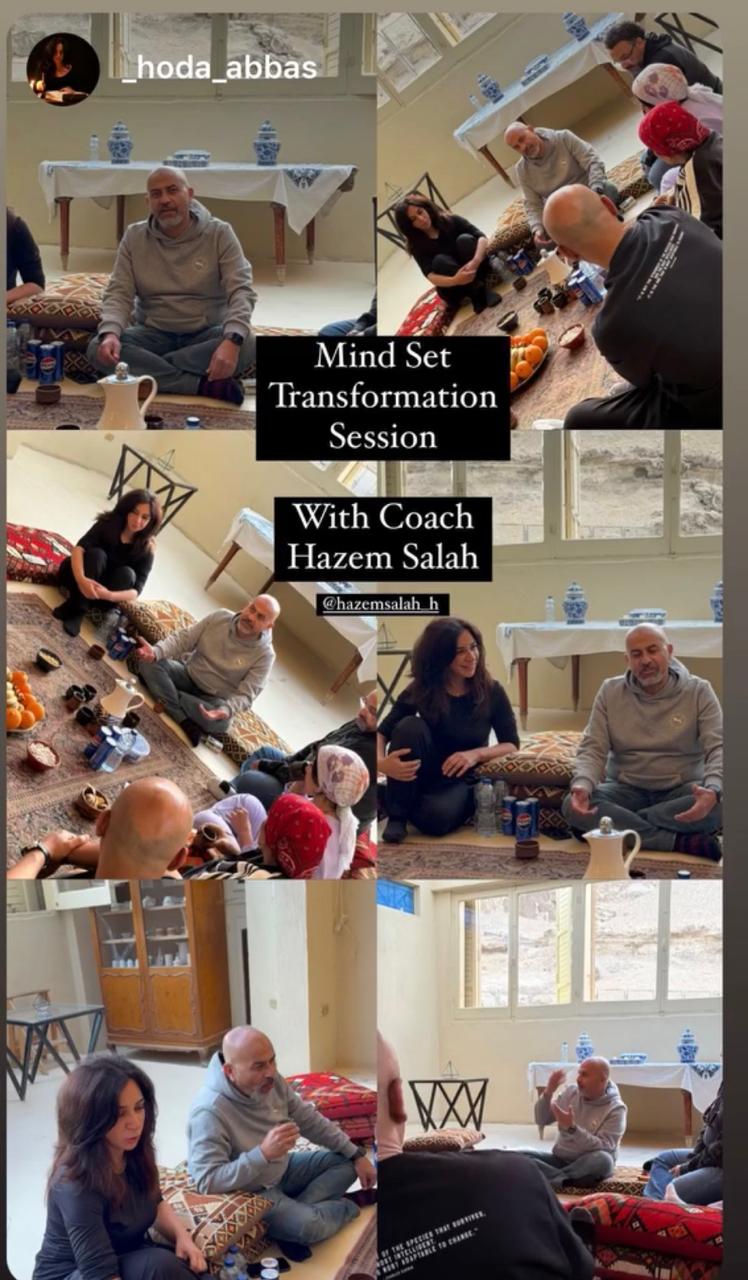
For couples
Coaching gives both partners a shared process instead of two separate monologues.
You leave not just having "talked about it," but having practiced a better way to talk about it — one you can use on your own, the next time something comes up.
That's the whole philosophy here: not steering you toward one outcome, but helping you see clearly enough to choose your own path forward — together, and with confidence.
Hazem Salah
Don't wait until it turns into distance
Most people wait until something breaks before they ask for help. But the strongest relationships aren't the ones that never hit friction — they're the ones where both people learned how to work through it, together, before it turned into distance.